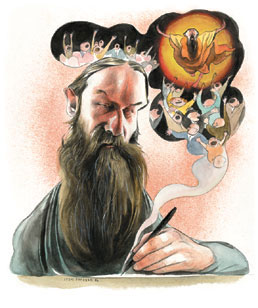
Google Tech Talk May 29 '07: Aubrey de Grey
Here is de Grey at Google, speaking for an hour about the technology of healthy extension of lifespan.
Hat tip Michael Anissimov and Brian Wang.
Labels: life extension, SENS
Brain boosting drugs in the new Ampakine class are back in the news--this time in connection with the problem of respiratory depression from sedative/hypnotic drugs.Researchers at the University of Alberta (Edmonton, AB) and Cortex Pharmaceuticals (Irvine, CA) believe that AMPAKINE drugs may provide protection from drug-induced respiratory depression, while simultaneously allowing the sedative or analgesic to continue working as it was intended.Source
The drug tested in this study belongs to a novel class of molecules known as AMPAKINE compounds being developed by Cortex Pharmaceuticals, Inc. located in Irvine, California. AMPAKINE compounds act on the most common excitatory receptor in the brain, the AMPA "Glutamate type receptor," which has been shown in rodent models to boost the brain's own protein for improving age-related deficits in memory mechanisms. In primate models AMPAKINE compounds have replicated the studies in rodents and in adults patients suffering from Attention Deficit Hyperactivity Disorder, significant clinical and statistical improvement in increase attention and decrease hyperactivity have been observed. The U. Alberta research provide evidence that another important AMPAKINE indication is to stimulate primitive areas of the brain called the pre-Botzinger Complex responsible for breathing, without causing side effects. The pre-Botzinger Complex generated respiratory-related oscillations similar to those generated by the whole brainstem in vitro, and neurons with voltage-dependent pacemaker-like properties that have been identified in this brain region.
In a study published in 2006, Dr. John J. Greer of U. Alberta demonstrated that certain AMPAKINE compounds enhance the respiratory drive and breathing rhythm at the brain-stem level containing the pre-Botzinger Complex in laboratory rats whose respiration rates were purposely suppressed by administration of central nervous system depressants.
Dr. Greer found that respiratory depression induced by these agents can be reversed or prevented in test animals with an experimental AMPAKINE drug, without a reduction of pain relief or sedation.
Greer and coworkers treated rats with the opioids analgesic fentanyl or the barbiturate sedative Phenobarbital, both commonly prescribed in the United States. Greer used a technique known as plethysmography, which measures blood flow throughout the body, to determine the level of respiratory distressed caused by the drugs. When drugged rats were treated with the AMPAKINE , the respiratory distress quickly resolved. The drug worked in both newborn and adult rats. Interestingly, the drug on its own did not affect blood flow in animals not treated with the sedative drugs, nor did administration of the drug cause noticeable arousal in the animals.
Greer concluded, in a study published in the September 20, 2006 issue of the American Journal of Respiratory Critical Care Medicine, that CX546, "effectively reverses opioid- and barbiturate-induced respiratory depression without reversing the analgesic response."
"These results open up the real possibility of combining an ampakine compound with commonly prescribed barbiturates or opiates to reduce the likelihood that life-threatening respiratory depression will occur," noted explained Roger G. Stoll, Ph.D., Chairman, President, and CEO of Cortex.
Labels: cognitive enhancement
By the age of sixty, Americans have lost, on average, a third of their teeth. After eighty-five, almost forty per cent have no teeth at all.
Even as our bones and teeth soften, the rest of our body hardens. Blood vessels, joints, the muscle and valves of the heart, and even the lungs pick up substantial deposits of calcium and turn stiff. Under a microscope, the vessels and soft tissues display the same form of calcium that you find in bone. When you reach inside an elderly patient during surgery, the aorta and other major vessels often feel crunchy under your fingers. A recent study has found that loss of bone density may be an even better predictor of death from atherosclerotic disease than cholesterol levels. As we age, it’s as if the calcium flows out of our skeletons and into our tissues.
To maintain the same volume of blood flow through narrowed and stiffened blood vessels, the heart has to generate increased pressure. As a result, more than half of us develop hypertension by the age of sixty-five. The heart becomes thicker-walled from having to pump against the pressure, and less able to respond to the demands of exertion. The peak output of the heart decreases steadily from the age of thirty. People become gradually less able to run as far or as fast as they used to, or to climb a flight of stairs without becoming short of breath.
Why we age is the subject of vigorous debate. The classical view is that aging happens because of random wear and tear. A newer view holds that aging is more orderly and genetically driven. Proponents of this view point out that animals of similar species and exposure to wear and tear have markedly different life spans. The Canada goose has a longevity of 23.5 years; the emperor goose only 6.3 years. Perhaps animals are like plants, with lives that are, to a large extent, internally governed. Certain species of bamboo, for instance, form a dense stand that grows and flourishes for a hundred years, flowers all at once, and then dies.
The idea that living things shut down and not just wear down has received substantial support in the past decade. Researchers working with the now famous worm C. elegans (two of the last five Nobel Prizes in medicine went to scientists doing work on the little nematode) were able to produce worms that live more than twice as long and age more slowly by altering a single gene. Scientists have since come up with single-gene alterations that increase the life spans of Drosophila fruit flies, mice, and yeast.
Labels: geriatrics
Labels: aging, Aubrey de Grey, methuselah foundation, SENS
The study, published in Free Radical Biology and Medicine, found flavonoids are highly metabolized, which alters their chemical structure and diminishes their ability to function as an antioxidant. Although the compounds appear to have three to five times more antioxidant capacity than vitamins C or E, the body sees them as foreign compounds and modifies them for rapid excretion in the urine and bileSource
Labels: cancer, phytonutrients, supplements
Imagine if you will, being able to grow embryonic stem cells to regenerate your failing cells, tissues, and organs--just from your own sperm or eggs. No need to create a fertilised zygote or mated embryo, so there should be no ethical objections from anti-abortion politicians and their constituents.In the February 15th issue of G&D, Dr. K. John McLaughlin and colleagues report on their success in using uniparental embryonic stem cells to replace blood stem cells in mice. Uniparental embryonic stem cells are an appealing alternative source of patient-derived embryonic stem cells, as they have several advantages over embryonic stem cell lines generated by somatic cell nuclear transfer (also known as therapeutic cloning).Source.
....This study shows for the first time that parthenogenetic blood cells can replace those of an immunocompromised adult mouse. McLaughlin and colleagues also show that this is also possible using embryonic stem cells where both genomes are solely derived from sperm of one male (androgenetic), adding fertile males to the potential patient pool.
....The researchers took a two-step approach: First they injected uniparental ES cells into wild-type blastocyts to generate chimeric animals; then they harvested these chimeric fetal livers for transplant into lethally irradiated hosts. The scientists found that uniparental ES cells, regardless of parent-of-origin, were able to functionally reconstitute the entire hematopoietic system of adult mice. Furthermore, the scientists were also able to grow progenitor blood cells in culture from uniparental ES cells, and upon transplant into irradiated adult mice, show that these cells contribute, long-term, to the function of their hematopoietic system.
Labels: regenerative medicine
Labels: aging, cancer, mitochondria

The tea contains a symbiosis of yeast species and acetic acid bacteria, mostly Bacterium xylinum. Species of yeast found in the tea can vary, and may include: Brettanomyces bruxellensis, Candida stellata, Schizosaccharomyces pombe, Torulaspora delbrueckii and Zygosaccharomyces bailii. The culture itself looks somewhat like a large pancake, and is often mistakenly referred to as a mushroom.Source.

Labels: hormone replacement
Labels: cryonics
| Low temperature suspended animation without freezing is referred to as vitrification. This is a fascinating 26 minute video detailing a method of cryopreservation that prevents cellular damage from expanding ice crystals. This process will be first utilised for preserving organs for long-term storage before transplantation, once early problems are worked out. Eventually animals will be successfully vitrified using this technique. When such animal vitrification and de-vitrification is routinely successful, humans will be next. Related websites: http://www.Mprize.org http://www.ImmInst.org http://www.alcor.org | |
Labels: hibernation
| This one hour and 45 minute film explores cryonics (cryogenics), caloric restriction, transhumanism, and other scientific pursuits of extreme life extension. Related websites: http://www.Mprize.org http://www.ImmInst.org http://www.sens.org | |
Labels: cryonics, dietary restriction, SENS
| Here is a presentation by Aubrey de Grey at the TED 2006 Conference. De Grey's SENS organisation recently received a grant of $3.5 million from Paypal cofounder Peter Thiel. De Grey is certainly not a conventional tie and labcoat type of scientist. But he may be exactly what is needed to shake longevity research out of its doldrums. Presentation by Aubrey de Grey at the Technology Entertainment Design (TED) Conference 2006. http://www.ted.com/conference/flashpage.cfm?conferenceKey=2006 Related websites: http://www.Mprize.org http://www.ImmInst.org http://www.Sens.org | |
Labels: SENS
Kurzweil predicts human immortality by way of nanomedicine. "Nanobots" in our bloodstreams will repair cellular and tissue damage as fast as it occurs. Affordable computers will be a thousand times more powerful than a human brain . . . Kurzweil clearly believes in "singularity now!"According to Kurzweil, here's what we can expect in the not-so-distant future:Source.
—Doctors will be doing a backup of our memories by the late 2030s;
—By the late 2020s, doctors will be sending intelligent bots, or nanobots, into our bloodstreams to keep us healthy, and into our brains to keep us young;
—In 15 years, human longevity will be greatly extended. By the 2020s, we'll be adding a year of longevity or more for every year that passes;
—In the same timeframe, we'll routinely be in virtual reality environments. Instead of making a cell call, we could "meet" someone in a virtual world and take a walk on a virtual beach and chat. Business meetings and conference calls will be held in calming or inspiring virtual locations;
—When you're walking down the street and see someone you've met before, background information about that person will pop up on your glasses or in the periphery of your vision;
—Instead of spending hours in front of a desktop machine, computers will be more ingrained in our environment. For instance, computer monitors could be replaced by projections onto our retinas or on a virtual screen hovering in the air;
—Scientists will be able to rejuvenate all of someone's body tissues and organs by transforming their skin cells into youthful versions of other cell types;
—Need a little boost? Kurzweil says scientists will be able to regrow our own cells, tissues, and even whole organs, and then introduce them into our bodies, all without surgery. As part of what he calls the "emerging field of rejuvenation medicine," new tissue and organs will be built out of cells that have been made younger;
—Got heart trouble? No problem, says Kurzweil. "We'll be able to create new heart cells from your skin cells and introduce them into your system through the bloodstream. Over time, your heart cells get replaced with these new cells, and the result is a rejuvenated, young heart with your own DNA";

Teams from the medical schools at the University of North Carolina at Chapel Hill, University of Michigan and Harvard University observed similar results in pancreatic islet cells and brain and blood stem cells.Source.
The results show disparate cell types share a common aging mechanism and suggest that aging-related diseases such as diabetes result from a failure of cell growth, said Dr. Norman E. Sharpless, co-author on the three studies and an assistant professor of medicine and genetics at the UNC School of Medicine. "The studies indicate that certain stem cells lose their ability to divide and replace themselves with age as the expression of p16INK4a increases," said Sharpless, a member of the UNC Lineberger Comprehensive Cancer Center.
The trio of reports are published online Sept. 6 in the journal Nature. The three research teams are from the medical schools at UNC, the University of Michigan and Harvard University.
The UNC study focused on p16INK4a effects on the function of pancreatic islet cells. Islet cells are responsible for insulin production and secretion. Because p16INK4a stops cancer cells from dividing and demonstrates increased expression with age, the scientists suspected the gene played a similar role in aging. The researchers developed strains of mice that were either deficient in p16INK4a (the gene was deleted, or 'knocked out") or genetically altered to have an excess of the protein to a degree seen in aging.
According to Sharpless, islet proliferation persisted in p16INK4a -deficient animals as they aged, "almost as if they were younger animals." In mice with an excess of p16INK4a, "islet cells aged prematurely; they stopped dividing early."
"This suggests that if we could attenuate p16INK4a expression in some way in humans, it could lead to enhanced islet re-growth in adults and a possible new treatment for diabetes," Sharpless said.
Similar results were found in the other studies, which focused on brain stem cells and blood stem cells.
The Michigan researchers, led by Dr. Sean Morrison, examined the role played by p16INK4a in neural stem cells, progenitor cells that can form new neurons and other brain cells. The team showed that p16INK4a increases markedly in those cells with aging. Moreover, p16INK4a -deficient neural stem cells work better and don't age to the same extent that wild-type (normal) stem cells do, Sharpless said.
Dr. Janakiraman Krishnamurthy, lead author of the UNC study and a postdoctoral scientist in the Sharpless lab, was a co-author of the Michigan report. The Harvard team, led by Dr. David Scadden, studied the role of p16INK4a in hematopoietic stem cells, which proliferate continuously during the adult lifespan and produce massive amounts of new blood cells on an hourly basis. Their results suggest that p16INK4a is the molecular basis for an old-age "signal" previously observed in blood stem cells. The Harvard study also showed that blood stem cells from old mice lacking p16INK4a functioned better than old cells from wild-type mice, suggesting p16INK4a causes aging of these cells as well.
Sharpless cautions that any promise of a potential new aging treatment based on p16INK4a should include two important caveats. "First, even though old mice lacking p16INK4a show enhanced stem cell function, they do not live longer. This is because p16INK4a is an important cancer-suppressor gene, and mice lacking p16INK4a develop more cancers than old, normal mice," he said.
"Secondly, in all three studies, p16INK4a loss was associated with an improvement in some but not all of the consequences of aging. There are clearly things in addition to p16INK4a that contribute to aging. We don't yet know what they are."
Labels: cancer
"There are potentially hundreds of mutations in a given patient," says Jeffrey Tyner, a postdoc in Druker's lab. Only some of those mutations actually contribute to the cancer -- and evaluating all of them is time-consuming.Source.
In essence, DNA sequencing reveals only what the cell could do. Protein mass spectrometry, in contrast, provides a clearer picture of what the cell is doing. That's why Cell Signaling Technology believes its approach is more efficient. "Proteomic [mass spectrometry] gives you the true readout of what's going on in the cell," says Mark Cobbold, a clinician scientist at the University of Birmingham, U.K.
Druker's mass spectrometry study focused on acute myeloid leukemia, the most common form of the disease. And, while three common gene mutations are often to blame for it, in 30 to 50 percent of cases, the cause is unknown, says Tyner.
Druker hopes to duplicate his success in previous work on another form of leukemia, which led to the first successful molecularly targeted cancer drug, Gleevec (Imatinib). Approved for clinical use in 2001, the drug works by specifically binding to an abnormal tyrosine kinase protein and inhibiting it. The drug has worked wonders for some patients. "Druker is taking molecular medicine forward. Now he's looking for other [leukemia targets] using a proteomics approach," Cobbold says.
Looking at a cell's actual molecular activity using mass spectrometry lets Druker avoid much of the guesswork in searching for cancer mechanisms. Instead of years, it took his lab just weeks to uncover a mutation in a gene for a kinase called JAK3 that causes the signaling molecule to be abnormally active. They found the mutation in a cell line, then verified the result in patients.
In proteomic mass spectrometry the researchers first break up cancer cells, purify their proteins, and cut them up. They then further purify stretches of protein characteristic of active tyrosine kinases. This mixture is put into the mass spectrometry machine, which sequences the proteins. With this information, researchers know which proteins are abnormally active and why -- because of a mutation, for example -- and can search for a drug that acts against them.
Tyner hopes their work can be translated into clinical tests for determining the molecular cause of a patient's tumor. Protein mass spectrometry profiles of cells from a tumor biopsy could identify which protein is running amok and what drug would work best on it. "It's very attractive, the idea of looking at signaling in tumors and from that uncovering [genetic] profiles," says Cobbold.
Labels: screening tests
The Life Extension Magazine has an interesting article on NF Kappa B and its relationship to aging. Previous Al Fin postings on NF Kappa B here, and here, provide more background for understanding this important transcription factor. The ubiquitous presence of NFkB throughout the inflammation-cancer cycle suggests that the next breakthroughs in cancer treatment will likely center on the inhibition of NFkB and its actions. As scientists learn more about NFkB and the complex systems that regulate it, they also learn more about the wide array of substances that can inhibit its dangerous actions. For example, the anti-inflammatory drug ibuprofen inhibits not only the COX-2 enzyme but also NFkB,12 and has a well-established safety record. This drug, as well as many natural inhibitors of NFkB, will therefore play an important role in controlling the inflammatory components of tumor formation and growth.More at Source.
Because the NFkB factors are active in both the cancerous cells and inflammatory cells in tumors, nutrients or drugs that can inhibit NFkB show tremendous promise as anti-cancer or cancer-preventive agents.8 Scientists believe that the combination of NFkB inhibition with drugs or cytokines that induce cancer cell death has great promise in fighting cancer.13
Because the NFkB system is also involved in producing healthy immune responses, there are concerns about its long-term inhibition. While NFkB seems to be most profoundly involved in cancer at the stages of promotion and progression,8,14 it may be possible to use inhibitors for relatively short periods. Another potential use for such inhibitors would be in combination with chemotherapy or radiation treatments, as a means of controlling the associated inflammation and enhancing the effects of those treatments.8
....Herbs and spices from around the world have long been sought for their pleasing flavors and healing qualities. Even today, these plant extracts are valued worldwide for promoting health and fighting disease. Scientists are discovering that many of these natural agents act through the universal mechanism of inhibiting the over-expression of NFkB.
Curcumin is a compound found in a number of South Asian spices, most prominently in turmeric, a component of curry seasoning.
Curcumin has well-established antioxidant and anti-inflammatory effects.35,36 The extent to which curcumin exerts these effects by inhibiting NFkB is becoming increasingly clear.37 Curcumin acts directly within the cell’s nucleus and also acts on substances that activate NFkB. For example, it binds iron and copper in brain tissue, reducing the activation of NFkB that is associated with the production of amyloid beta proteins in Alzheimer’s disease.35
Strong evidence suggests that curcumin may fight the following inflammatory diseases:
* Colitis. Dietary curcumin supplements strongly suppressed NFkB activation in a rat model of colitis,38 resulting in both decreased tissue wasting and colonic inflammation. When curcumin was given to experimental animals before the induction of colitis, there was reduced NFkB activation and less visible damage to the colon.39 This effect was accompanied by reduced activity of several enzymes involved in inflammation in the gut.
* Liver disease. The development of alcoholic liver disease, resulting in chemical hepatitis and eventually cirrhosis, has recently been associated with NFkB-mediated gene expression. When laboratory rats were fed sufficient alcohol to produce alcoholic fatty liver with liver cell inflammation and necrosis, dietary curcumin inhibited NFkB activation, preventing both the microscopic and biochemical changes associated with alcoholic liver disease.40 In an experimental model of non-alcoholic fatty liver degeneration (which induces substantial oxidative stress), investigators found that dietary curcumin significantly reduced inflammation and the release of inflammatory modulators through NFkB inhibition.41
* Chronic neurodegenerative diseases. NFkB-induced inflammation involving brain glial cells is thought to be one mechanism contributing to the formation of amyloid beta proteins, which are characteristic of Alzheimer’s and other degenerative brain diseases.42 In several recent studies, curcumin has been shown to reduce the glial cell expression of inflammatory mediators.43,44 Curcumin likewise has been shown to reduce amyloid beta formation in animal models by inhibiting NFkB.45,46
* Arthritis. Curcumin’s inhibition of NFkB reduces the degenerative changes to arthritic joints.47,48 Just this year, curcumin was shown to enhance the anti-inflammatory effects of the COX-2 inhibitor drug celecoxib.49 This is an important finding, since COX-2 inhibitors have adverse effects on the cardiovascular system. This caused scientists to propose that co-treatment with curcumin could reduce the dose of selective COX-2 inhibitors required to achieve significant relief from inflammation.
* Cancer. Curcumin has been found to suppress, retard, and even reverse cancer development at each stage of the disease.50 By inhibiting NFkB, curcumin reduced expression of proteins needed by cancer cells for proliferation (the promotion stage) and for invasion and metastasis (the progression stage).51 Curcumin also reduces cancer progression by increasing cell death in cancer cells, thereby depriving them of the “immortality” they need to survive and invade other tissues.52,53 This has allowed curcumin to be effective in highly chemotherapy-resistant cancers;54 it has also been shown to increase the effect of chemotherapy in animal models of advanced human cancer.51
....Capsaicin, the main ingredient in red pepper, has both anti-inflammatory and anti-cancer effects.81-83 Red pepper compounds have long been used to manage inflammatory joint conditions.37 Capsaicin inhibits the induction of two inflammation-provoking enzymes in stimulated macrophage immune cells.82 This effect is attributable to its inhibition of NFkB activation.83 Capsaicin also induces cell death in many cancers by modulating NFkB.81 Like curcumin, capsaicin inhibits the growth of adult T-cell leukemia cells by impairing NFkB activation.84 Capsaicin further impairs cancer progression by reducing levels of vascular endothelial growth factor, thus depriving growing cancers of nutrients.85
Clove extract (eugenol) inhibits NFkB-mediated expression of inflammatory cytokines.86,87 Like capsaicin, eugenol inhibits NFkB activation in stimulated macro-phage immune cells,87 reducing their synthesis of COX-2 and inflammatory cytokines.86 Oil of cloves has been used in dental care for centuries, and eugenol is now widely used to promote healing and prevent excessive inflammation after root canal surgery.88,89
Ginger extracts exert anti-inflammatory activity and stimulate cancer cell death by inhibiting NFkB.90-92 Ginger reduces expression of the key inflammatory enzymes COX-1 and COX-2.93 Topical application of ginger extract inhibits skin inflammation in a mouse model92 by inhibiting NFkB.91 A ginger extract was shown to enhance tumor cell death and down-regulate production of tumor invasion factors by preventing activation of NFkB.90
Basil and rosemary extracts, which contain ursolic acid, reduce cancer cell proliferation and tumor progression through NFkB inhibition.94-96 By inactivating NFkB, ursolic acid prevents initiated cells from reproducing and also triggers tumor cell death.95 This compound further down-regulates molecules that are required for tumor invasion and metastasis.96 Ursolic acid works through its effects on NFkB to induce resting macrophage immune cells, and thus to participate in tumor cell destruction in the early stages of cancer.97 Ursolic acid derivatives that inhibit NFkB have been shown to suppress pro-inflammatory enzyme expression in mouse models of inflammation.98 This effect has been associated with reduced cardiac fibrosis (scar tissue) in the heart tissue of diabetic mice.94
Garlic has now been shown to exert its anti-inflammatory and immunomodulatory effects by inhibiting NFkB.37,99 Garlic extracts lowered NFkB activity by up to 41% in human blood and kidney cells that had been exposed to an inflammation-provoking challenge, thus reducing the expression of certain cytokines.100 These effects may be linked to the observation that a garlic compound inhibits damage to endothelial cells lining blood vessels and reduces atherosclerotic changes.101 Garlic’s inhibition of NFkB leads to reduced production of chemicals that cause lipid peroxidation, and this could provide further protection from atherosclerosis.102 NFkB inhibition is credited for garlic’s ability to protect liver cells from auto-immune damage in an animal model,103 as well as induce cell death in leukemia.104
Pomegranate fruit extract protects cells against the effects of ultraviolet B radiation by inhibiting ultraviolet light-stimulated NFkB activation.105 Pomegranate fruit extract also prevented chemically induced skin cancers in mice through NFkB-mediated effects on both cancer initiation and promotion.106 Blockade of NFkB by pomegranate fruit extract has shown promise in osteoarthritis by inhibiting the production of protein-digesting enzymes and inflammatory cytokines.107 Pomegranate wine reduced the activation of NFkB in vascular endothelial cells by inflammatory mediators or biomechanical stresses,108 thus protecting against atherosclerosis.109
Summary
Scientists have discovered that by controlling our DNA, nuclear factor-kappa beta (NFkB) plays a central role in determining our health and longevity. By integrating signals of inflammation, NFkB appears to be the common link between such diverse conditions as heart disease, cancer, and arthritis.
Agents that control NFkB’s influence within the human body—such as omega-3 fatty acids, phytoestrogens, curcumin, garlic, licorice, ginger, rosemary, and pomegranate—hold great promise in fighting many diverse diseases and in promoting long and healthy lives.
Labels: herbs, inflammation, supplements
The real debate is taking place as you read this, on the discussion forum of Technology Review, and other websites. A quick blog search query brought up a large number of news and blog reports on the decision of the judges. Start at the TR SENS Challenge page, and follow the links.Labels: gerontology, SENS
The master control program for development and repair of the human organism is being de-encrypted. Using tools from genetic programming, stem cell research, and nanotechnology, it will be possible to assist the body in maintaining health and youth. Here is a brief progress report for a few interesting tools and technologies:
Labels: cyborg, hibernation, hormone replacement, nanotechnology, SENS, supplements